Providing such patients oral meds reduces hospital readmissions
Oral antibiotics work, shorten hospital stays for IV drug users with infections (Links to an external site)
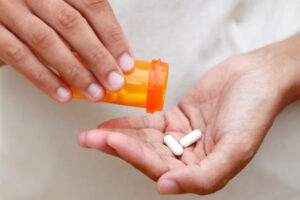
Providing such patients oral meds reduces hospital readmissions
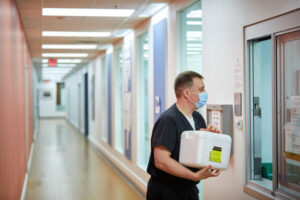
Biorepository project initiated early in pandemic to streamline coronavirus research efforts
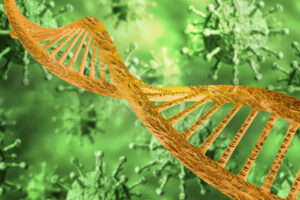
To help unravel the mysteries of COVID-19, scientists are sequencing the DNA of young, healthy adults and children who develop severe illness despite having no underlying medical problems. The researchers are looking for genetic defects that could put certain individuals at high risk of becoming severely ill from the novel coronavirus.

High levels of social distancing would lower the COVID-19 infection, hospitalization and death rates over the next six months across all counties in Missouri, finds a new study from Washington University in St. Louis.

Medical professionals dramatically shift focus to help patients infected with coronavirus.
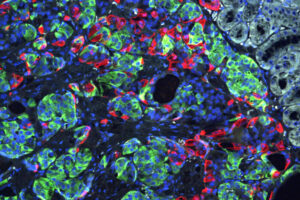
Using induced pluripotent stem cells produced from the skin of a patient with a rare, genetic form of insulin-dependent diabetes called Wolfram syndrome, researchers transformed the human stem cells into insulin-producing cells and used the gene-editing tool CRISPR-Cas9 to correct a genetic defect that had caused the syndrome. They then implanted the cells into lab mice […]
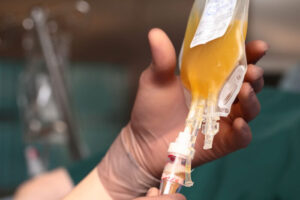
Infectious diseases physicians at Washington University School of Medicine in St. Louis have developed an expanded access program to give blood plasma from COVID-19 survivors to critically ill patients at Barnes-Jewish Hospital in St. Louis.
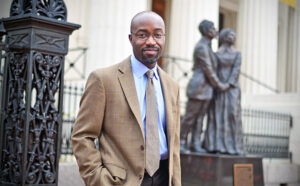
The Brown School’s Jason Purnell will lead a response team of over 40 St. Louis area nonprofits, social service agencies and governments to deal with the coronavirus pandemic.
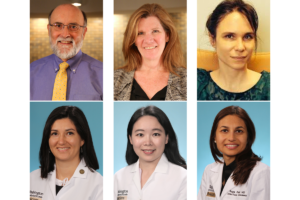
The Washington University Institute of Clinical and Translational Sciences and Washington University’s Institute for Public Health announce six partnerships selected to receive funding through the new Partnership Development and Sustainability Support (PDSS) program. This funding program provides up to $10,000 to community-academic partnerships for a 12-month period. It enables partners to develop the trust, infrastructure, […]