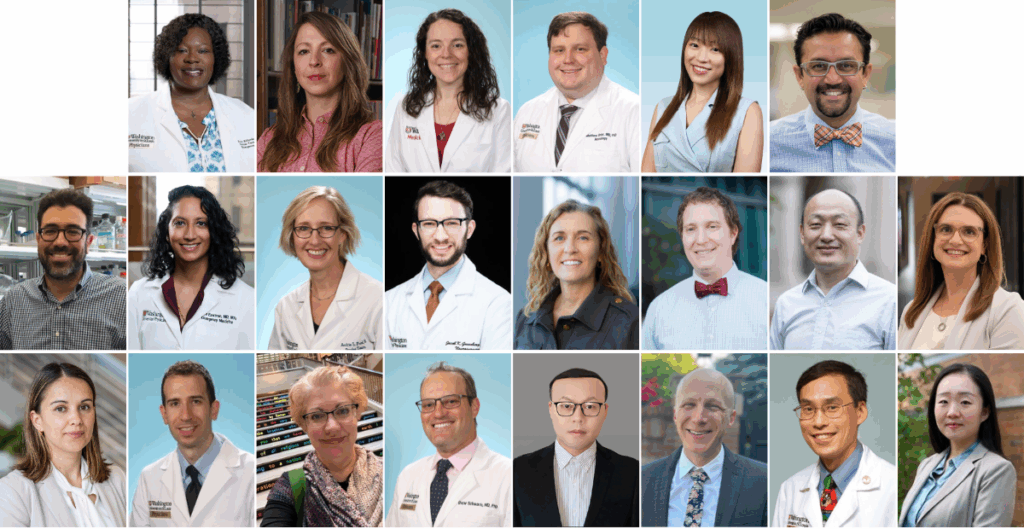
The WashU Institute of Clinical and Translational Sciences (ICTS) and The Foundation for Barnes-Jewish Hospital have awarded 22 investigators as part of the 19th annual Clinical and Translational Research Funding Program (CTRFP). The CTRFP is the largest internal grant funding program of the ICTS. Applicants are required to submit proposals for projects that promote the translation of scientific discoveries into improvements in human health. For 2026, awards were considered across three project categories: clinical/translational, community-engaged research, and biostatistics, epidemiology, and research design.
This year, the CTRFP received around 100 letters of intent and awarded approximately $1M for investigator-initiated projects. These grants are supported with funding from the ICTS and The Foundation for Barnes-Jewish Hospital.
Funding is made available to the 2026 awardee cohort effective March 1, 2026.
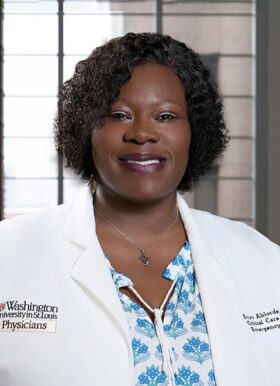
PI: Enyo Ablordeppey, MD, MPH, FACEP, FCCM
WashU Medicine: Department of Anesthesiology
Infections from catheters used to provide lifesaving medications can cause serious harm and cost billions in healthcare. One of the safest ways to place these catheters is by using ultrasound to guide placement into the subclavian vein. This method is rarely used because doctors are uncomfortable doing it. Instead, higher-risk sites are often chosen. This project combines simulation training with coaching to help doctors build the skill and confidence to choose the safer option. By increasing this method, we will reduce infections, improve patient outcomes, lower healthcare costs, and create a model to improve the adoption of other best evidence-based practices.

PI: Theresa Anasti, PhD
WashU Brown School: Department of Social Work
This project partners with trafficking survivors as equal partners and leaders in the co-creation of a harm reduction, peer navigator service delivery training that is informed by motivational interviewing principles. Working with Healing Action, a St. Louis-based survivor-led organization, a community advisory board of peers will guide development of the training to ensure that it is relevant, acceptable and feasible to implement. In the short term, this project will build trust and strengthen community connections and existing partnerships. In the long term, it will provide a model that health and community organizations can adopt to establish survivor-led programs in systems of care.
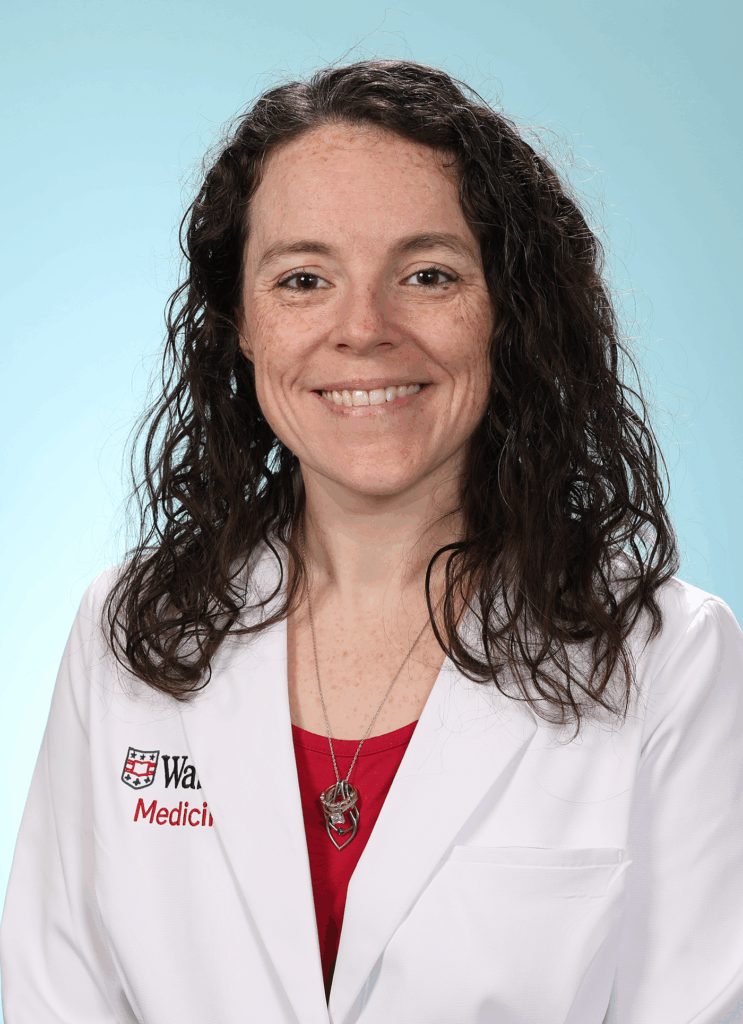
PI: Katherine H. Bligard, MD, MA
WashU Medicine: Department of Obstetrics and Gynecology
Spina bifida causes lifelong disability, including paralysis, bladder and bowel problems, and fluid build-up in the brain. Fetal surgery can improve outcomes but carries significant risks to the mother and fetus. Doctors are currently not very good at predicting which fetuses will actually have benefit from surgery, so patients don’t always know what decision is the best for them. If we track a particular protein called neurofilament light chain, or NfL, in the amniotic fluid of a pregnancy, we may be able to better predict how well the surgery will work.
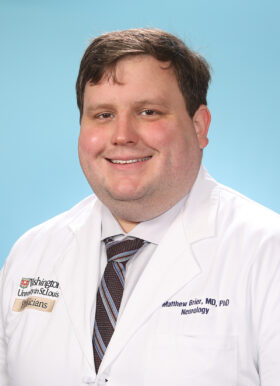
PI: Matthew R. Brier, MD, PhD
WashU Medicine: Department of Neurology
This study asks whether a common immune therapy (B cell depletion) for rheumatoid arthritis (RA) could also help prevent Alzheimer disease (AD). We previously found that people with multiple sclerosis who received this therapy showed lower levels of proteins associated with AD. Patients with RA are the ideal population to test this in because it involves chronic inflammation (similar to multiple sclerosis) but does not affect the brain, and many patients are already treated with this therapy. We will study older adults with RA who have or have not received the therapy, looking at blood markers linked to AD. If the therapy lowers AD risk, it could rapidly point to new strategies for preventing AD using off-the-shelf available drugs.

PI: Liyun Chen, PhD
WashU Medicine: Department of Radiation Oncology
Thirty percent of cervical cancers recur or resist current therapies. Because of limited clinical benefits for these patients, there is an urgent need for a better strategy. We propose targeting a group of cells called tumor-associated macrophages (TAM), which tumors use to turn off the body’s natural defenses. By targeting TAM, we will reprogram the environment around tumors to help the immune system attack cancer more effectively. We will identify patients less likely to respond to treatments due to increased TAM and develop a combination therapy to make treatment more powerful. This work will lead to a new, personalized approach that improves survival and quality of life for women with cervical cancer.
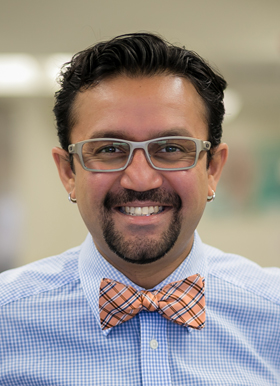
PI: Gautam Dantas, PhD
WashU Medicine: Department of Pathology and Immunology
Candida auris is a dangerous, drug-resistant yeast that is spreading in St. Louis hospitals. This project will combine genome sequencing, antifungal testing, and patient data to track how C. auris spreads locally and to identify genetic markers that predict which drugs still work against infections. The results will support earlier detection of outbreaks, better patient screening, and improved treatment choices. Within three years, we aim to deliver a rapid test for drug resistance and practical guidelines for hospitals to contain and treat C. auris infections, protecting vulnerable patients and strengthening public health.
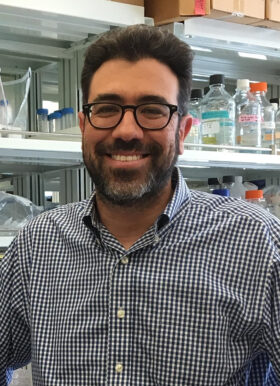
PI: Brian Edelson, MD, PhD
WashU Medicine: Department of Pathology and Immunology
Multiple sclerosis (MS) is a common autoimmune neurologic disease that affects ~1 million Americans. Making a diagnosis of MS and determining how this disease may progress in different people is challenging. We need new laboratory tests for MS. Using an expensive research technique, we have shown that cerebrospinal fluid (CSF), the fluid that lines the brain and spinal cord, contains a higher frequency of a specific cell type, AREG+ DCs, in patients with MS. In this project, we will validate this finding using cheaper and more clinically available testing for AREG+ DCs. In the future, we hope that testing for these cells can be helpful in diagnosing MS, and for developing better treatment plans.
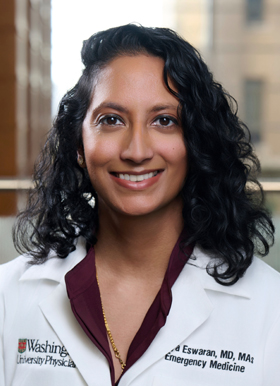
PI: Vidya Eswaran, MD
WashU Medicine: Department of Emergency Medicine
People who have spent time in local jails often have many physical and mental health conditions. When they are released, they are at high risk of serious illnesses and even death. In this study, we will look at health data from Missouri’s Medicaid program for people who have been in the St. Louis County jail. This will help us learn where these individuals get their health care and what health issues they face. We will share our findings with doctors, community health workers, and people who have been in jail themselves to understand the results better. We will also look for ways to improve current practices to make sure everyone leaving jail can get the health care they need. We will then plan to do a study to test the possible solutions to see if they really do help improve access to health care after people are released from jail.
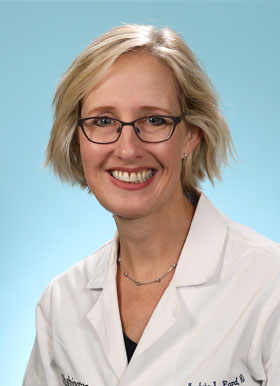
PI: Andria L. Ford, MD
WashU Medicine: Department of Neurology
Sickle cell anemia is a condition inherited at birth that causes life-long episodes of severe pain and hospitalizations as well as cognitive deficits that worsen with age. The FDA approved a medication called L-glutamine that helps prevent these painful episodes and hospitalizations. We don’t know if this medication helps cognition in the same way it helps prevent pain. People with sickle cell anemia do not use L-glutamine often because we do not fully understand its benefits. We will test whether patients who take L-glutamine for six months have higher levels of glutamine as measured on brain MRI and whether this results in an improvement in their cognition. If people understand the benefits of this medication, more patients with sickle cell anemai are likely to take L-glutamine and benefit from it.

PI: Jacob Greenberg, MD, MSCI
WashU Medicine: Department of Neurosurgery
Many cancer patients develop nerve damage from chemotherapy, called chemotherapy-induced peripheral neuropathy (CIPN). This problem can cause numbness, pain, and balance problems. There is an absence of reliable and scalable tools to detect or track CIPN, which makes both treatment and research difficult. We have created a smartphone app, SynapTrack, that tests walking, hand movements, and sensation. This project will test if the app can accurately capture disease in patients with CIPN, and also whether it is feasible for patients to use SynapTrack while undergoing chemotherapy. Our goal is to make monitoring for CIPN easier, thereby improving clinical care and accelerating research studies.
PI: Marcie Harris-Hayes, PT, DPT, MSCI
WashU Medicine: Department of Physical Therapy
Polymyalgia rheumatica (PMR) is a condition that causes joint pain and stiffness, making it hard for people to do everyday tasks. Movement pattern training is a special, personalized rehabilitation program that aims to reduce pain by improving how people move during their daily activities. We plan to test if it’s possible to conduct a detailed study to find out how effective Movement pattern training is for people with PMR. We will look at whether it helps them perform activities they want to do, reduce their use of certain medications, and strengthen their muscles. We will also gather feedback from patients about their experience with Movement pattern training. This study will help us understand if carrying out a larger study on Movement pattern training’s effectiveness is practical.
PI: Benjamin Kay, MD, PhD
WashU Medicine: Department of Neurology
Migraine headaches typically emerge in children ages 10-17 years. Sleep disruption is common in adolescents and is thought to provoke migraine headaches. This study uses functional MRI to investigate how getting more or less sleep affects migraine headaches in the brain. This project will show how precision-fMRI, a new technique, can help find personalized treatment targets for patients. The findings will pave the way for larger fMRI studies. Eventually, these studies will identify areas in the brain that can be targeted for non-invasive treatments. These treatments will aim to replicate the positive effects that sleep has on relieving migraines.
PI: Nan Lin, PhD
WashU Arts & Sciences: Department of Statistics and Data Science
Alzheimer’s disease affects millions of families, yet most new treatments have failed. One promising approach is to test whether existing medicines, such as the diabetes drug metformin, may also slow memory loss. We will use patient data from several Alzheimer’s research centers to study who might benefit most from metformin. Because these data are kept at different sites and cannot be fully shared, we will create new methods that allow centers to work together while protecting privacy. This project will provide early evidence on metformin and build tools that can improve future Alzheimer’s research and care.
PI: Melissa M. Mavers, MD, PhD
WashU Medicine: Department of Pediatrics, Division of Hematology & Oncology
Bone marrow transplant treats many diseases, but graft-versus-host disease (GVHD) is a complication that causes painful symptoms and even death. Invariant natural killer T (iNKT) cells are rare white blood cells that may stop GVHD. We grow them in the lab but must change our method and equipment to meet safety rules for treating patients. Our project will: 1. Develop a process to use a patient-approved cell irradiator, 2. Determine safety testing needed for cell growth material, and 3. Conduct test runs growing iNKT cells with this method. This project can help other projects using rare cells for treatment and will support our plans to test if iNKT cells will stop GVHD, improving the lives of patients.
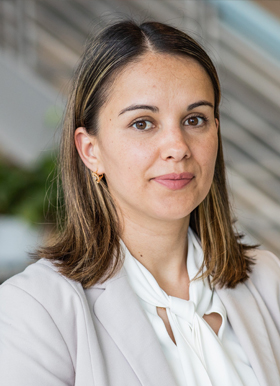
PI: Patrícia M. Ribeiro Pereira, PhD
WashU Medicine: Department of Radiology, Division of Radiological Sciences
Most patients with advanced breast cancer eventually stop responding to current treatments. This project will develop a new strategy to spot and treat patients who have a particular kind of breast cancer called HER2-low tumors. The goal is to combine an existing medicine called T-DXd with another drug (lovastatin) that makes the treatment more effective. If successful, this approach could help patients live longer without increasing side effects.

PI: Edon Rabinowitz, MD
WashU Medicine: Department of Pediatrics, Division of Critical Care Medicine
Infants with serious heart defects often rely on a small surgical tube, called a shunt, to survive, but these can develop dangerous clots that current medicines cannot reliably prevent. This project unites doctors, surgeons, and engineers to improve shunt design and placement using computer models and animal studies. In the short term, this work will help reduce preventable complications in children. In the long term, it can be applied to other procedures such as dialysis access and bypass surgery, benefiting patients of all ages. Our ultimate goal is to create safer surgeries, reduce suffering and save lives while building a foundation for future personalized treatments for each patient.
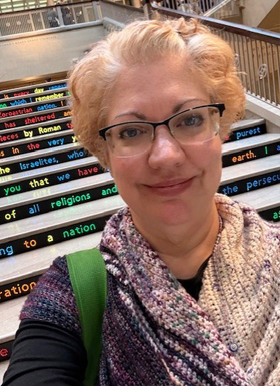
PI: Hilary E.L. Reno, MD, PhD
WashU Medicine: Department of Medicine, Division of Infectious Diseases
STIs continue to impact the populations of North St. Louis City and County. Our project will build on our community collaboration to implement innovative point-of-care testing (POCT) for gonorrhea and chlamydia that gives results in 20 minutes. Partnering with community to study the barriers to POCT and working to build a testing program will improve care by returning results during a visit. With POCT, treatment can be given during a clinic visit, reducing stress and building trust. Our goal is to create with community advisors a trusted, stigma-free model of same-day STI testing and treatment. To impact STIs, we need equitable, innovative and community-centered care for the future.
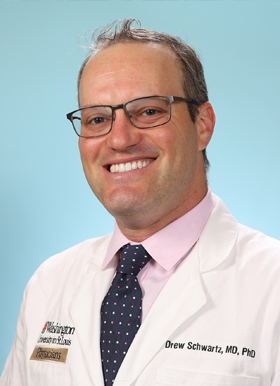
PI: Drew J. Schwartz, MD, PhD
WashU Medicine: Department of Pediatrics, Division of Infectious Diseases
Infants born too early are given antibiotics for possible infection. We currently have a hard time diagnosing infection. Infants are given antibiotics even when they do not have an infection. We may be able to better diagnose infection if we look at their feces. This would allow us to better treat infections and know exactly when to use antibiotics. But we need to perform a small study to see if this works before we try a larger study. If our study is successful, we may get much better at diagnosing and treating infections in vulnerable infants. This could save many lives.
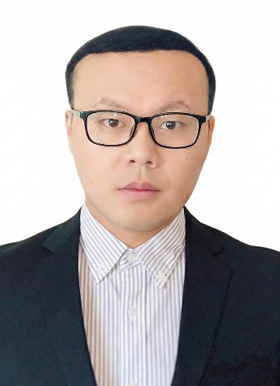
PI: Mengcheng Shen, PhD
WashU Medicine: Department of Medicine, Cardiovascular Division
Pulmonary arterial hypertension (PAH) is high blood pressure in the blood vessels between the heart and lungs. It has no cure. Current treatments only relax blood vessels. They do not fix the root causes of the disease. In PAH, two problems drive the disease. First, muscle cells in blood vessel walls grow too fast. Second, the cells lining the blood vessels die off. Together, these changes block blood flow to the lungs. We will use stem cells from patients to grow blood vessel tissue in the lab. These lab-grown tissues let us study PAH in a dish. We will then use a gene-editing tool called CRISPR to test thousands of drug targets at once. This helps us find which genes control the harmful cell changes. Finally, we will check our findings in lung tissue from PAH patients. If we find good targets, we can develop new drugs. These drugs could slow or stop the disease, not just treat symptoms. This could help PAH patients live longer and healthier lives.
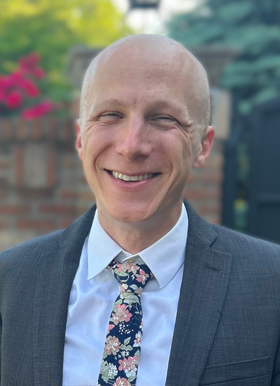
PI: Nicholas Szoko, MD, PhD
WashU Medicine: Department of Pediatrics, Division of Adolescent Medicine
The goal of this project is to improve substance use disorder (SUD) treatment for youth in foster care. We will partner with clinical providers, child welfare practitioners, and youth with lived experience in foster care to understand gaps in SUD care and design a tailored SUD intervention. This work will improve health outcomes for youth in foster care who are impacted by SUD. Involving youth as collaborators will support empowerment and leadership development, while building their capacity as citizen scientists. Several measures will ensure reciprocity and transparency of the research, strengthening the credibility, impact, and sustainability of findings for the community.
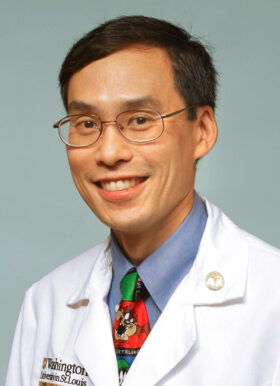
PI: Liu Lin Thio, MD
WashU Medicine: Department of Neurology
The brain uses blood sugar to get energy and to create building blocks for cells. However, in many types of epilepsy, the brain struggles to use blood sugar properly. We will use a new method called deuterium metabolic imaging (DMI) to study how the brain uses blood sugar. This method uses MRI machines. WashU has been a leader in imaging, and we will use a new, stronger MRI machine for our studies. We have successfully used DMI to study how the brains in mice with epilepsy use glucose. Our goal is to do the same in patients with epilepsy so we can treat them better. The proposed experiments are the first steps towards achieving this goal.
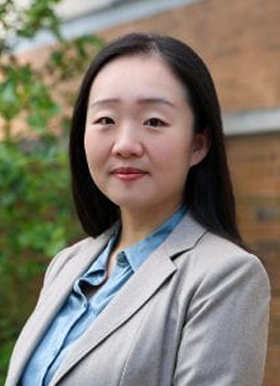
PI: Ruiwen Zhou, PhD
WashU Medicine: Department of Biostatistics
Glaucoma is a leading cause of irreversible blindness, often progressing without symptoms until vision is lost. People with ocular hypertension are at higher risk, but not all will develop glaucoma. Using data from the landmark Ocular Hypertension Treatment Study, we will create new computer-based tools that combine routine eye test results with patient risk factors to better predict who is most likely to develop glaucoma. In the short term, this will help doctors provide earlier, more personalized care. In the long term, it can reduce preventable blindness and improve eye health in our communities.